Refine the list (min. 2 characters)
Keynote Presentation (In-Person)
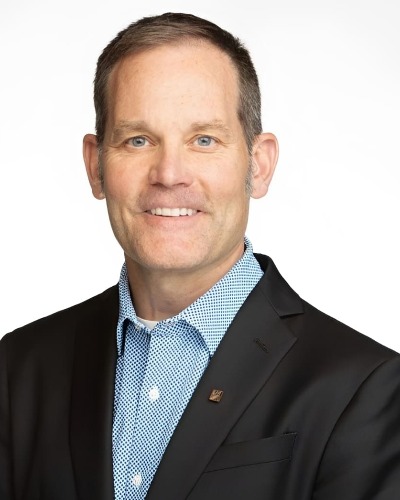
Dr. Mike Studer, recognized international expert and leading authority on neuroplasticity and motor learning introduces a novel framework for rehabilitation. This framework is intended to be one that feels intuitive, is grounded in evidence, supports clinical decision making, and [....] » Read More
Keynote Presentation (In-Person)
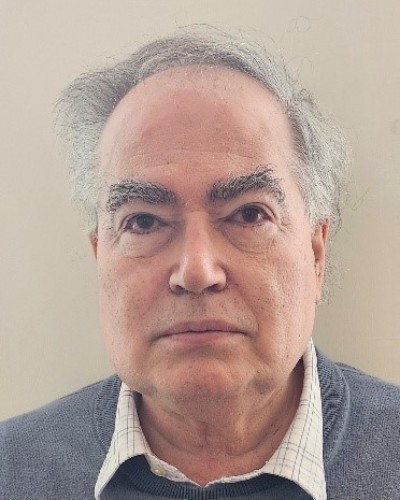
Introduction: Periodontitis, a chronic inflammatory disease, and its key pathogen Porphyromonas gingivalis has been implicated in several systemic disorders, including Alzheimer's disease (AD). However, the underlying mechanisms linking this oral pathogen to neurodegenerative [....] » Read More
Keynote Presentation (In-Person)

Title: ACE-dependent alzheimer’s disease (AD)
An analysis of 1600+ existing missense ACE mutations revealed that >600 are predicted to be damaging and led us to hypothesize that heterozygous carriers of these loss-of-function (LoF) ACE mutations (which result in low ACE levels-about 50% of mean in population) may be at ri [....] » Read More
Keynote Presentation (In-Person)
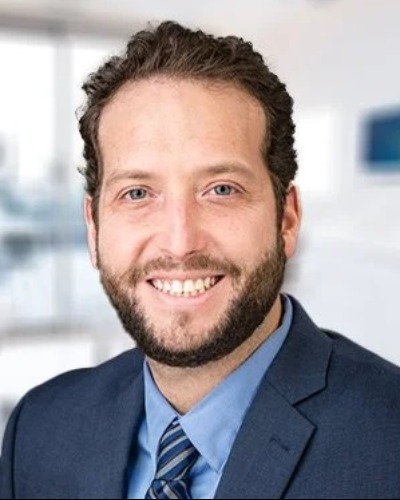
Title: TBI diagnostic and therapeutics
1. Definition and Types: TBI is an injury to the brain caused by external force, resulting in a range of effects. It can be classified as mild (concussions), moderate, or severe based on symptoms and impact. 2. Causes: Common causes include falls, vehicle accidents, sports inj [....] » Read More
Keynote Presentation (In-Person)

Title: Neural nanomedicine: Human results
Nanomedicine is the use of nanomaterials to improve disease prevention, detection, and treatment which has resulted in hundreds of FDA approved medical products. While nanomedicine has been around for several decades, new technological advances are pushing its boundaries. For exa [....] » Read More
Oral Presentation (In-Person)

Background: Posterior cervical laminoforaminotomy is an established motion-preserving procedure for unilateral cervical radiculopathy. However, adequate distal foraminal decompression may require substantial facet resection, potentially compromising segmental stability. The incli [....] » Read More
Oral Presentation (In-Person)

Title: The Disease of Sympathetic Overdrive(DSO),a piece of cake or a big meal in Neroscience ?
The hypothesis of DSO is coming to here last year. But it is still little matter at all in nero science. DSO seems an elephant in the room of nero science,here we offer a clinical test of the cold pressure to illustrate DSO in the characters 、the consequence and the importanc [....] » Read More
Oral Presentation (In-Person)

Background: Virtual Reality (VR) and Augmented Reality (AR) are increasingly used to transform how surgical skills are taught. Within the LERCO project (Life Environment Research Center Ostrava), a multidisciplinary team of neurosurgeons, scrub nurses and IT developers is buildin [....] » Read More
Oral Presentation (In-Person)
Title: Right person, right time, right intervention: Adding precision to “What Matters” in neuroplasticity
In 2008, Jeffrey Kleim and Theresa Jones published their seminal paper, “Principles of Experience-Dependent Neural Plasticity: Implications for Rehabilitation After Brain Damage”. In the nearly twenty years since this article was published, the fields of sleep medicin [....] » Read More
Oral Presentation (In-Person)

In clinical practice, teeth often appear as isolated structures—small, silent units of anatomy. Yet when observed through an integrative and neurobiological lens, they reveal something much more profound: a living interface where the body, the brain, and emotional patterns [....] » Read More
Oral Presentation (In-Person)

Background: Stroke recovery extends beyond neurological and physical impairment, with emotional and psychological complications playing an important role in long-term disability and quality of life. Post-stroke depression (PSD) is common but may remain under-recognized, particula [....] » Read More
Oral Presentation (In-Person)
Purpose: This systematic review and meta-analysis examined the association between intracranial pressure monitoring (ICPm) and mortality in patients with severe traumatic brain injury (sTBI), with additional focus on functional neurological outcomes and intensive care unit ( [....] » Read More
Oral Presentation (In-Person)

Background/Objective: Torcular Herophili dural arteriovenous fistulas (DAVFs) are rare intracranial vascular malformations that can produce venous hypertensive encephalopathy (VHE), closely mimicking neurodegenerative or cerebrovascular disease. We report a case illustrating the [....] » Read More
Oral Presentation (In-Person)
Title: Genetic background of DEE amongst Egyptian children
DEE is the most severe group of epilepsy. This group of disorders is characterized by seizures associated with slowing or regression in milestones of development. The condition starts in infancy or childhood and includes several well defined epileptic syndromes. These patients [....] » Read More
Oral Presentation (In-Person)

Neurodevelopmental disorders represent a growing global public health concern, particularly in low- and middle-income countries where access to early screening, diagnosis, and intervention remains limited. In Angola, many children with developmental delays are identified late, re [....] » Read More
Oral Presentation (In-Person)
The purpose of the current research was to investigate the effectiveness of the cognitive training course based on the key cognitive factors for improving manager's performance. 30 managers in an organization in Tehran selected and randomly assigned to either the cognitive tr [....] » Read More
Oral Presentation (In-Person)
Title: Delay aversion in school-aged children with attention-deficit hyperactivity disorder
This study considered whether children with attention-deficit hyperactivity disorder displayed a stronger preference for smaller, more immediate rewards over larger, but delayed rewards (delay aversion) when compared to typically developing controls and, furthermore, whether age [....] » Read More
Poster Presentation (In-Person)

Background: Stroke is a leading cause of mortality and disability, and early identification of patients at risk for poor outcomes is important for timely intervention. Red cell distribution width(RDW), a routinely reported complete blood count parameter, has emerged as a potentia [....] » Read More
Poster Presentation (In-Person)
Title: Study of the efficacy of PSIO glasses for the inhibition of melatonin
Several studies have showed the influence of the inhibition of melatonin by blue light (470 nm) (1) In the following report we have tested the effect of continuous blue light - emitted by a PSIO device without sound stimulations (the PSIO is a pair of glasses equipped with eye-gl [....] » Read More
Keynote Presentation (Virtual)

Historical: Before WWII the great majority of patients with acute traumatic spinal cord injuries died within a year or two from injury. However for many decades prior to WWII there was no shortage of Physicians and Surgeons experimenting with the management of the injured sp [....] » Read More
Keynote Presentation (Virtual)

Health and social care systems around the world undergo a transformation towards personalized, preventive, predictive, participative precision medicine (5PM), considering the individual health status, conditions, genetic and genomic dispositions in personal, social, occupational, [....] » Read More
Keynote Presentation (Virtual)

Histone modifications serve as molecular mediators for the intergenerational inheritance of exercise-induced benefits, yet the underlying mechanisms remain elusive. Here, we demonstrate that maternal exercise during pregnancy enhances resilience to chronic restraint stress in adu [....] » Read More
Oral Presentation (Virtual)
Background: Bruton's tyrosine kinase (BTK) inhibitors are an emerging class of oral disease-modifying therapies for relapsing multiple sclerosis. By modulating B-cell signaling and innate immune pathways involved in disease pathogenesis, they represent a novel therapeuti [....] » Read More
Oral Presentation (Virtual)

Title: Understanding pediatric traumatic brain injury across the childhood lifespan
Background: Traumatic Brain Injury (TBI) during childhood can cause changes in health and behavior that a ect development, learning, self-regulation, and social participation critical skills to optimize functioning in adulthood. A TBI during childhood is associated with several & [....] » Read More
Oral Presentation (Virtual)

Background: Recovery of patients with mental health disorders and chronic mental health disorders presents the main goal of evidence-based rehabilitation. Methods: Research protocols regarding the combination of pharmacotherapy and cognitive-behavioral psychotherapy and rehabi [....] » Read More
Oral Presentation (Virtual)

To evaluate the efficacy of perivascular sympathectomy in managing adventitia layerrelated long-segment tubular stenosis of cervical segment (C1) internal carotid arteries (ICAs) in a cohort where conventional medical and endovascular interventions were not viable options, we ret [....] » Read More
Oral Presentation (Virtual)

Title: Autophagy induction in neurons and glial cells of aged db/db mice with neurodegenenation development
According to investigations by Nixon and Rubinsztein (2024) autophagy is a lysosome-based degradative process used to recycle obsolete cellular components and to eliminate damaged organelles as well as aggregate-prone proteins. The postmitotic nature and extremely polarized morph [....] » Read More
Oral Presentation (Virtual)

Background: Burnout is a highly prevalent occupational syndrome among healthcare workers, characterized by emotional exhaustion, depersonalization, and reduced personal accomplishment, and is associated with impaired patient safety and well-being. Chronic occupational stress lead [....] » Read More
Oral Presentation (Virtual)
Objective: The objective of this study was to investigate the outcomes of microneurosurgical interventions on V1 segment of the vertebral artery in patients with refractory vertebrobasilar insufficiency (VBI) due to dolicoarteriopathy and external compressions and to assess the s [....] » Read More
Oral Presentation (Virtual)

Title: The fallen crown: A king’s journey through shame and self discovery
Nalacharitham, the celebrated Kathakali adaptation of an episode from the Mahabharata by Unnayi Warrier, presents a timeless exploration of human emotion, resilience, identity, and psychological recovery. This reflective article examines the emotional journey of King Nalan and Pr [....] » Read More
Oral Presentation (Virtual)

Title: Artificial intelligence and rehabilitation in stroke patients with unilateral spatial neglect
Background: People with neglect suffer from various spatial deficits in several modalities, which in many cases impair everyday functioning. Virtual reality (VR) is a form of interaction between humans and computers in which a real or imaginary environment is simulated. Users int [....] » Read More
Oral Presentation (Virtual)

Background: War conflicts substantially decrease the person’s psychological state. Russia’s long war against Ukraine has led to the emergence of stress-related consequences both in peaceful citizens and representatives of the helping professions, which require rehabil [....] » Read More
Oral Presentation (Virtual)

Chronic neuropathic pain remains a complex clinical challenge, often inadequately managed by conventional therapeutics due to dose-limiting adverse effects and variable long-term efficacy. Consequently, natural products and isolated phytochemicals are increasingly investigated as [....] » Read More
Oral Presentation (Virtual)

Background: Diabetes mellitus is a chronic metabolic disorder which is presented with persistent hyperglycemia resulting from impaired insulin secretion, insulin resistance or both. Exposure to mercury, a highly toxic heavy metal, worsens diabetic complications through oxidative [....] » Read More
Poster Presentation (Virtual)

Title: Oligodendrocyte precursor cell-neuron interactions in the regulation of neuronal activity
Oligodendrocyte precursor cells (OPCs) are best known for generating oligodendrocytes and supporting myelination in the central nervous system. However, OPCs also interact with neuronal structures and respond to neuronal activity. Whether this interaction is bidirectional and whe [....] » Read More
© 2026 Mathews International LLC. All rights reserved.
