Abstract:
Nalacharitham, the celebrated Kathakali adaptation of an episode from the Mahabharata by Unnayi Warrier, presents a timeless exploration of human emotion, resilience, identity, and psychological recovery. This reflective article examines the emotional journey of King Nalan and Princess Damayanti through contemporary psychological and neuropsychological perspectives, illustrating the enduring relevance of indigenous narratives in understanding mental health and well-being. Nalan’s progression from emotional stability to gambling addiction, impulsive decision-making, shame, identity disturbance, emotional dysregulation, and social withdrawal parallels psychological challenges frequently observed in modern clinical practice, while Damayanti’s resilience, secure attachment, emotional intelligence, and adaptive coping demonstrate the protective role of supportive relationships in recovery. The narrative is interpreted through multiple theoretical frameworks, including Cognitive Behavioural Theory, Attachment Theory, Narrative Identity Theory, Emotion Regulation Theory, Dual-Process Theory, Stress and Coping Theory, Resilience Theory, Positive Psychology, Self-Determination Theory, Social Comparison Theory, Cognitive Dissonance Theory, Post-Traumatic Growth Theory, and Narrative Therapy. The article further discusses the neuropsychological relevance of the narrative by relating it to executive functioning, decision-making, cognitive flexibility, emotional regulation, reward processing, self-awareness, and identity reconstruction. It proposes Nalacharitham as a culturally grounded resource for psychoeducation, counselling, psychotherapy, narrative-based interventions, and recovery-oriented neurorehabilitation. Within integrated mental healthcare settings, the narrative may facilitate patient engagement, emotional expression, resilience-building, and identity reconstruction following neurological or psychological illness. Although this reflective article does not present empirical evidence, it offers a theoretically informed conceptual framework that may guide future qualitative and quantitative research examining the effectiveness of culturally rooted narratives in psychology, neuropsychology, psychotherapy, and neurorehabilitation. By integrating classical Indian literature with contemporary psychological science, this article highlights the potential of indigenous storytelling to support culturally responsive mental healthcare, education, and future evidence-based therapeutic interventions.
Biography:
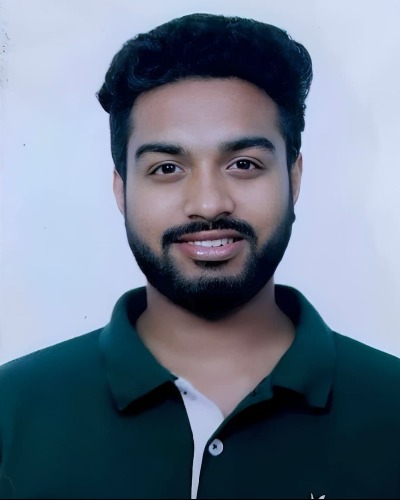
Sahil Suresh is an M.Sc. Psychology graduate and a B-Grade Doordarshan-recognised Kathakali artist with over 13 years of training. His research integrates Kathakali, music therapy, and clinical psychology, focusing on embodied therapeutic approaches, particularly Rasa-Centered Expressive Therapy (RCET), to enhance emotional regulation, psychological resilience, and well-being.
© 2026 Mathews International LLC. All rights reserved.
