
Abstract:
Objective: The objective of this study was to investigate the outcomes of microneurosurgical interventions on V1 segment of the vertebral artery in patients with refractory vertebrobasilar insufficiency (VBI) due to dolicoarteriopathy and external compressions and to assess the secondary benefits of Parkinsonism-like symptoms. –
Methods: Retrospective analysis encompassed 101 patients treated for vertebral artery dolicoarteriopathy or compression-related refractory VBI from 2016 to 2023. Of these, 16 patients exhibited drug-resistant Parkinsonismlike symptoms. The diagnostic evaluation included cerebral computed tomography/magnetic resonance angiography or digital subtraction angiography and brain computed tomography or magnetic resonance perfusion studies, corroborated by preoperative and 6- and 12-month postoperative Movement Disorder Society-Unified Parkinson’s Disease Rating Scale Part 3 assessments. Data were analyzed through Turkey’s “E-nabiz” system, employing Stata16 for statistical scrutiny. –
Results: A significant reduction in Movement Disorder Society-Unified Parkinson’s Disease Rating Scale scores was observed (preoperative: 26.75 10.91; 6 months: 23.09 9.24; 12 months: 22.5 8.73; P < 0.001). Postoperative follow-up denoted that 43.7% of patients ceased medication and 50% reduced antiparkinsonian drugs. The microneurosurgical approach resulted in complete remission of VBI-related symptoms in 84.6% of patients, with the rest showing partial or marked improvement. At 6 months postoperation, perfusion studies revealed posterior border zone or cerebellar perfusion enhancements in 81% (13 out of 16) of patients, with full symptom resolution, while the remaining 19% (3 out of 16) showed partial perfusion and clinical improvements, particularly in regions supplied by the posterior cerebellar artery or posterior inferior cerebellar artery. The absence of operative mortality and minimal transient morbidities underscored the procedure’s safety. –
Conclusions: Microneurosurgery for vertebral artery anomalies in refractory VBI patients, particularly those with concomitant parkinsonian-like syndromes, has demonstrated potential in symptom remission and medication reduction.
Biography:
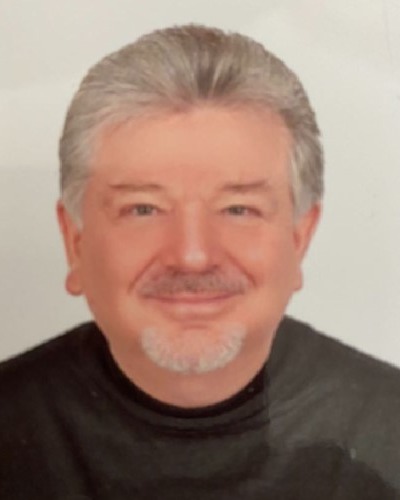
Mehmet Erkan Ustun completed his medical education at Hacettepe University, School of Medicine in 1986. Mehmet Erkan Ustun then pursued his residency training in Neurosurgery at Ankara University, Avicenna Hospital, completing it in 1992. During this period, Mehmet Erkan Ustun had the opportunity to train under renowned experts in vascular and functional neurosurgery, which greatly shaped his professional development. In 2009, Mehmet Erkan Ustun was promoted to the academic rank of Professor in Neurosurgery. Subsequently, Mehmet Erkan Ustun earned a PhD in Anatomy in 2011, further deepening his understanding of neuroanatomical structures and functions. Today, in addition to performing standard neurosurgical procedures, Mehmet Erkan Ustun specialize in vascular and functional neurosurgical operations. These procedures aim to restore lost or impaired neurological functions, often providing signifi cant improvements in patients' quality of life. Mehmet Erkan Ustun have over 1500 citations in journals listed in SCI (Science Citation Index) or SCI-Expanded. Using new techniques in the treatment of carotid and vertebrobasilar insufficiency, Mehmet Erkan Ustun operated on more than 200 patients (83 with carotid and 122 with vertebrobasilar insufficiency). We have identifi ed a novel etiopathogenetic factor in carotid insufficiency, which has been published in the journal Brain Sciences.
© 2026 Mathews International LLC. All rights reserved.
