
Abstract:
Alzheimer's disease (AD) is a worldwide unsolved medical problem. Furthermore, despite the introduction of monoclonal antibodies treatments, there are no reliable disease-modifying therapies. These last years, it has become evident that AD is a clinical spectrum and the causes are multiple. Therefore, the treatment approach should also be multimodal. In recent decades, infections and metabolic alterations have been emerged as the most important causes. Our aim was to test whether some well-known drugs can modulate the basic pathological hallmark of AD. We aimed to explore the modulatory role of the anti-retroviral raltegravir and SGLT2 inhibitors on monomeric human amyloid beta 1-42 (m-Aβ1-42)-induced molecular alterations in cellular models of AD. H4 neuroglioma and HMC3 microglia cells were used to evaluate the effect of raltegravir and empagliflozin/dapagliflozins on m-Aβ1-42-induced oxidative stress, neuroinflammation, Tau-phosphorylation, and Tau-related Kinases/phosphatases. Flow cytometry technique was employed to quantify protein expression of NLRP3-inflammasome, phospho-Tau181 (p-Tau181), GSK-3β, CdK5, and HDAC6. We show that raltegravir significantly abolishes the m-Aβ1-42-stimulating effect on p-tau 181, and that this effect involves the upregulation of PP2Aα+β. Additionally, raltegravir significantly attenuated IL-1β production through the downregulation of the NLRP3-inflammasome signaling pathway. m-Aβ1-42 significantly reduced cell viability and increased apoptosis, which were reversed by gliflozins, particularly when co-dosed with elacridar, a P-gp/BCRP inhibitor. SGLT2i treatments significantly reduced m-Aβ1-42-induced reactive oxygen species generation and down-regulated NLRP3-inflammasome. Gliflozins diminished Tau-pathology by reducing p-Tau181 levels. Collectively, our in vitro findings can be considered as preliminary mechanistic observations that support raltegravir's and gliflozin’s repurposing in the framework of AD.
Keywords: Alzheimer’s disease; Raltegravir; Gliflozins; tau-pathology; Monomeric human amyloid beta 1-42.
Biography:
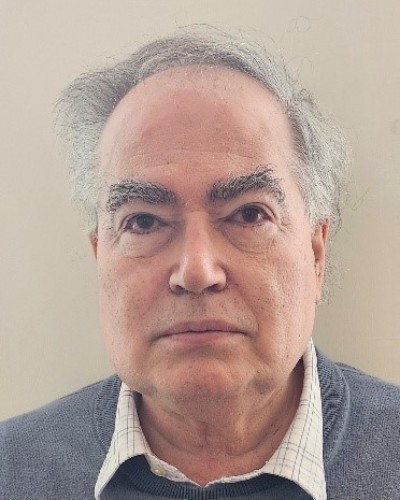
Prof. TamasFulop M.D, PhD, FRCPC is an internist-geriatrician and senior researcher at the Research Center at the Université de Sherbrooke. He completed his medical studies at the faculty of medicine of the University of Geneva. He made his PhD at Hungary. He was a postdoctoral fellow at Paris XII. He moved to the Université de Sherbrooke in 1993. His main research field is immunology in aging and age-related diseases, especially neurodegenerative diseases. He authored more than 400 papers. He led the memory clinic for more than 10 years. He is Editor-in-Chief of Gerontology. He is a fellow of the Canadian Academy of Health Sciences, Fellow of the Gerontological Society of America and corresponding member of the French Medical Academy.
© 2026 Mathews International LLC. All rights reserved.
