

Uskudar University, Turkiye
Abstract:
Background: Curcumin, a yellow phytochemical in the rhizome of Curcuma longa, which has various biological effects, has been used as a spice in India. Epidemiological studies suggest that a curcumin-rich diet might decrease the risk of developing Alzheimer's Disease (AD). Previous findings indicate that curcumin specifically binds to the aggregated Aβ molecules and further to phosphorylated tau protein, probably according to its conformational nature.
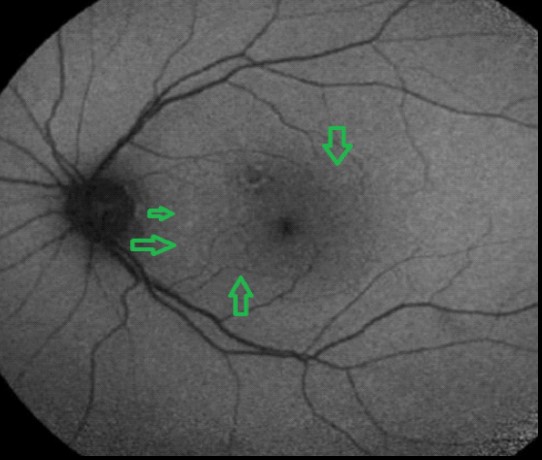
During the evaluation of patients with AD, Fundus Autofluorescein examination ( FaF). detects hyperfluorescent (regions with excessive lipofuscin) or hypofluorescent (atrophic retina) areas.
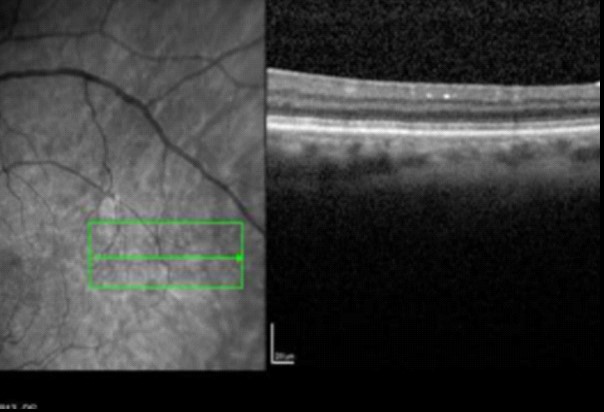
In order to figure out the layer of the defect, Optical Coherence Tomography ( OCT ) is performed taking the abnormal area on FAF into consideration.. To better understand the nature of the lesion, curcumin may be orally or intravenously administered
Objective: Aim was to detect curcumin stained accumulations in the retina which could suggest early neurodegeneration.
Methods: 20 patients with AD who had undergone retinal examination within past 2 years were invited. Mean age was 71. These patients were taking Curcumin supplements since their prior examinations. All the patients had FAF and OCT tests with Heidelberg Spectralis device.
Results: The images disclosed hyperfluorescent lesions on FAF. And OCT revealed accumulations in the inner layers of the retina. Some accumulations had dot shapes and others had fibril-tangle shapes. ( Fig. 1, 2, 3 ) Some lesions were present in prior exams, but more pronounced-shiny after curcumin use.
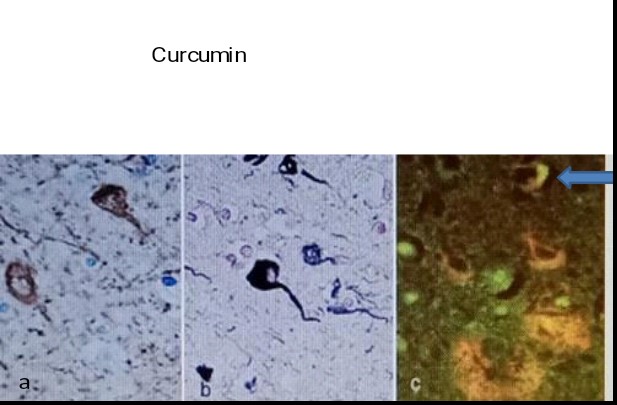
● Fig. 1: Curcumin binding to Tau in mouse brain
● Fig 2 : Beta amyloid plaques on SD-OCT
● Fig 3.: Curcumin stained on lesions on FAF
Conclusions: Hyperintense dots on FAF which became apparent after curcumin use suggested that it had affinity for B-amyloid and Tau. Examination of retina with FAF and OCT provided valuable results about neurodegeneration and these tests might be trustable biomarkers for AD.
It may be possible to detect the disease and also examine the progression of the lesions. The early detection of AD is of paramount importance. The retina is an excellent model for neurodegenerative diseases.
Keywords: Curcumin, Retinal Imaging, AD
Biography:
To be updated shortly..
© 2026 Mathews International LLC. All rights reserved.
